
Insights / Digital Marketing
How to Build Quality Backlinks for SEO (Beginner’s Guide)

You can publish excellent content, fix every technical issue, and optimize every title tag, and still sit stuck on page two. Often the missing piece is off-site: other websites haven’t yet vouched for you.
That vouching comes in the form of backlinks. This guide explains how building backlinks works, which links are worth earning, and the beginner-friendly methods that work without risking a Google penalty. No special tools or big budget are required to start.
What Are Backlinks, and Why Do They Matter?
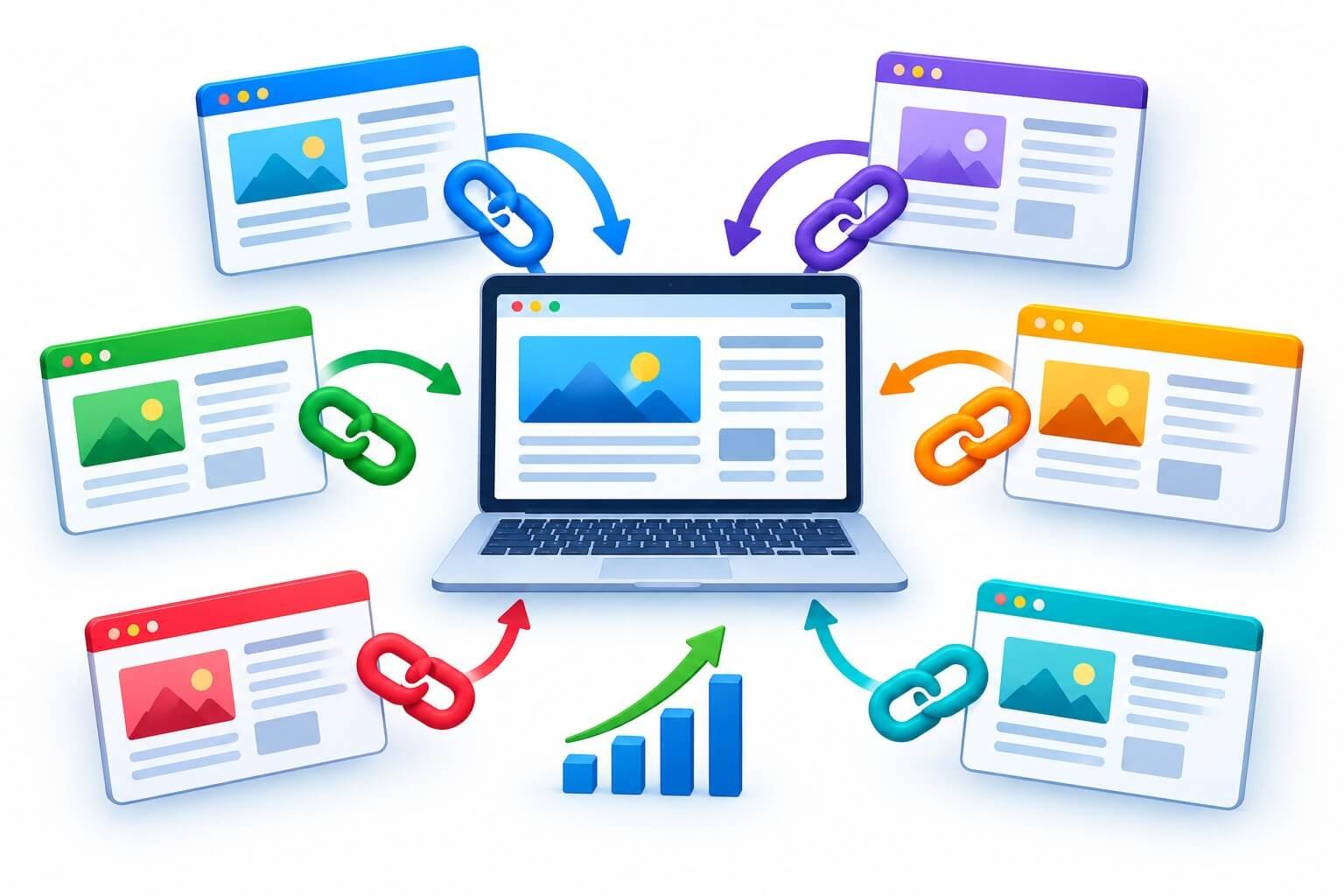
A backlink is a link from another website to yours. Search engines treat links as a signal of trust, a bit like a recommendation. When credible, relevant sites link to a page, it suggests the page is worth ranking.
That’s the core of the relationship between SEO and backlinks. Google has said links remain one of the many signals it uses, alongside content quality, relevance, and user experience. Links alone won’t rank a weak page, but when two pages are otherwise similar, the one with stronger, more relevant links often has the edge.
Links also bring something rankings can’t: referral traffic from real people clicking through, and the brand exposure that comes with being mentioned by a respected source.
What Makes a Backlink “Quality”?
Not all links are equal. One link from a respected local newspaper can be worth more than hundreds from random directories. When people talk about quality backlinks for SEO, they usually mean links that have these traits:
- Relevance. The linking site covers a topic related to yours. A link to a roofing company from a home improvement blog makes sense, and one from an unrelated casino site doesn’t.
- Authority and trust. The linking site is established and credible, with real readers and editorial standards.
- Editorial placement. The link sits naturally within useful content, not in a footer, sidebar, or spammy comment.
- Natural anchor text. The clickable words describe the destination and read normally, rather than repeating an exact keyword every time.
- Real traffic. The page that links to you is visited by actual people.
- Earned, not bought. Someone linked because your page deserved it, not because money changed hands.
Tools like Semrush, Ahrefs, and Moz give sites authority scores to help judge link quality. Those scores are third-party estimates, not Google metrics, so use them as rough guides. A quick manual look at the site often tells you more: is it real, relevant, and actively maintained?
Dofollow, Nofollow, and Why You Shouldn’t Obsess
You’ll see links labeled “dofollow” and “nofollow.” A nofollow link carries an attribute (rel=”nofollow”) that signals the site doesn’t vouch for the destination. Google also recognizes rel=”sponsored” for paid links and rel=”ugc” for user-generated content such as forum posts and comments.
Google treats these as hints rather than strict commands, and a natural profile contains a mix. Don’t reject a nofollow link from a respected publication, because it can still send traffic and build brand recognition. Focus on relevance and credibility first.
Links You Should Avoid
Before the how-to, a few warnings. Google’s spam policies specifically address link schemes meant to manipulate rankings. These include:
- Buying or selling links that pass ranking credit
- Large-scale link exchanges (“link to me and I’ll link to you”)
- Private blog networks created only to link to other sites
- Automated link-building software and mass directory submissions
- Hidden links, and keyword-stuffed links in footers or widgets
- Low-quality guest posts published in bulk, with keyword-rich anchors
These can lead to lost rankings or a manual action. Cleaning up a damaged link profile is slow and expensive, so avoiding the problem is much cheaper. If you inherit a profile full of spam, a professional review is worthwhile before you start any disavowing, since Google says most sites never need to use the disavow tool.
Step 1: Get Your Own Site Ready First
Links work best when they point to pages worth linking to. Before outreach:
- Fix technical basics. Make sure the pages load quickly, work on mobile, and are indexable. Our on-page SEO checklist covers what to verify.
- Know what you can offer. Ask what a stranger would find useful enough to link to: a guide, a free tool, original data, a checklist, a thorough local resource.
- Check your current links. Use Google Search Console’s Links report to see who already links to you, and which pages attract them. This shows what’s already working.
A site without anything worth linking to has to rely on weaker tactics. Creating that asset comes first.
Step 2: Create Content Worth Linking To
Creating backlinks starts with creating something people want to reference. These formats tend to attract links naturally:
- Original research or data. Even a small survey of your customers or a summary of your own results can be cited by others, since it’s something they can’t find elsewhere.
- Comprehensive guides. The best, clearest explanation of a topic in your niche becomes a go-to resource. Our SEO glossary is an example of a reference-style page designed for this.
- Free tools and templates. Calculators, checklists, and templates get linked because they save people time.
- Local resources. Neighborhood guides, event calendars, or “best of” resources for your city often earn links from local sites and organizations.
- Expert commentary. Distinctive opinions and clear examples give other writers something to quote.
Quantity isn’t the goal. One genuinely useful page can earn more links over time than twenty generic posts.
Step 3: Start With the Easiest Links
These are the safest beginner wins, because the link is relevant and the relationship already exists.
Your own network. Think about who already knows your business: suppliers, partners, manufacturers, professional associations, customers, and local organizations. Many of them have websites with places to list or mention you, such as “our partners,” “members,” or “where to buy” pages.
Business listings and citations. Claim your profiles on Google Business Profile, Bing Places, and reputable industry directories. These may be nofollow or low in ranking weight, but they confirm your business details and support local SEO. Choose a few accurate, relevant listings rather than mass submissions. Our guide on how to do local SEO explains how citations fit into the bigger picture.
Unlinked mentions. Search your brand name, owner name, and product names. If a site has mentioned you without linking, send a short, friendly email thanking them and asking if they’d add a link for readers’ convenience. This has one of the highest success rates because the site already knows who you are.
Your own accounts. Add your website to your social profiles, YouTube channel, and any profiles you maintain. These links are usually nofollow, but they help search engines and people connect your presence.
Step 4: Use Proven Link-Building Strategies
Some searchers do avoid clicking obvious ads, but paid search still captures a large share of clicks, especially for high-intent, ready-to-buy searches. Dismissing it entirely usually isn’t the right call for a business that needs faster results.
- A local angle on a news story
- A useful statistic or short study
- An expert quote on a topic you know well
- A community event, charity project, or business milestone
Services that connect journalists with experts exist, and local news sites are often receptive to small businesses with something genuinely newsworthy. Press links tend to be highly authoritative.
Guest Posting, Done Carefully
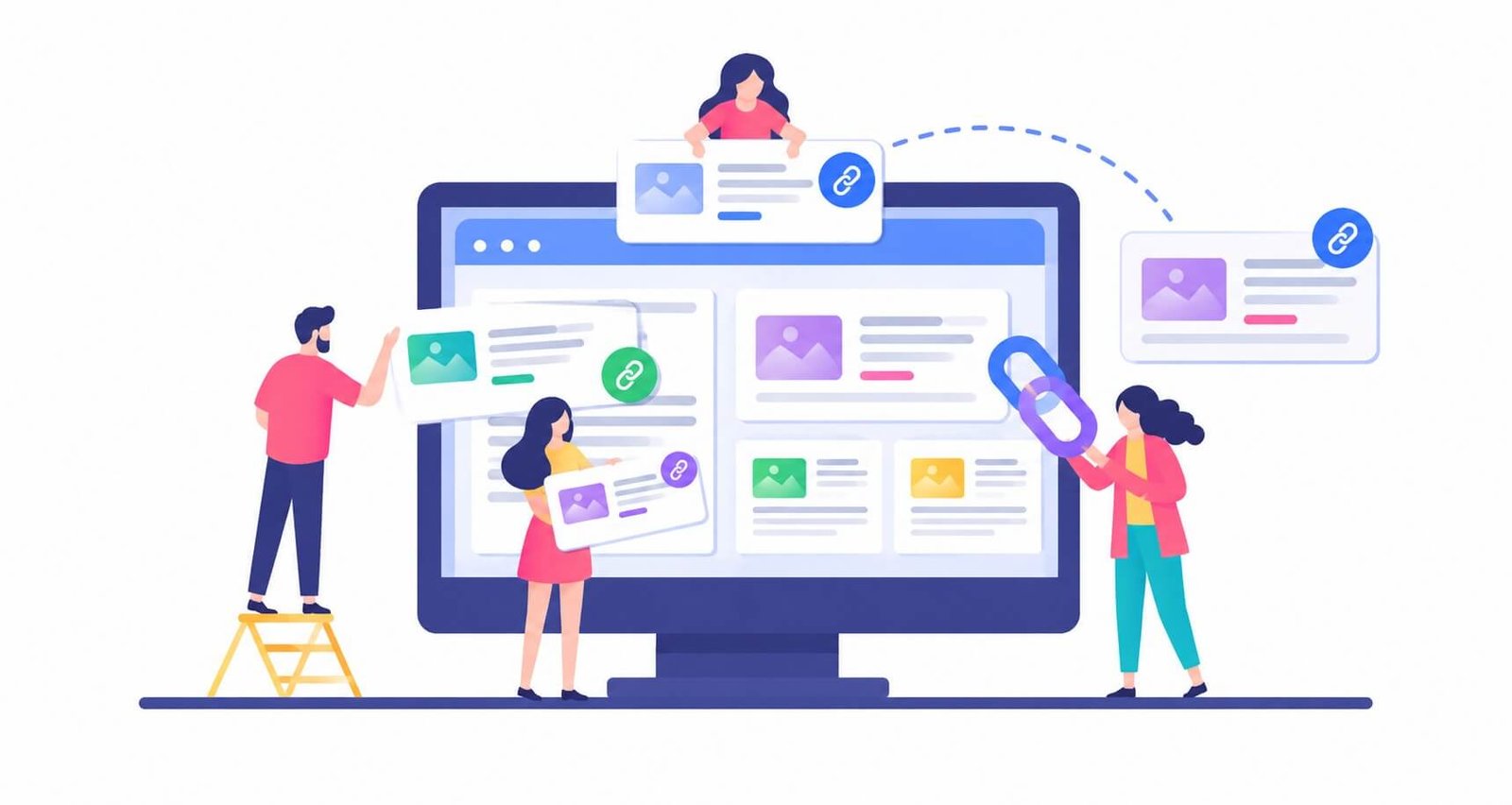
Writing a helpful article for a relevant site in your industry can earn a link and reach a new audience. Done well, it’s legitimate. Done as a volume tactic with generic content and exact-match anchors, it’s a spam signal.
To keep it safe:
- Choose sites your target customers actually read
- Pitch topics that add something new, not recycled posts
- Put your best work into it, as if it were your own site
- Link naturally, usually to your author bio and, where relevant, a helpful resource
- Skip any site that sells guest-post slots openly or accepts anything
Broken Link and Resource Page Outreach
Many sites maintain resource pages (“useful links for homeowners”) that include dead links. If you have a relevant, high-quality page, you can politely tell the site owner about the broken link and suggest yours as a replacement. This works best when your page truly matches what was lost or fills a clear gap.
Partnerships and Community Involvement
Local and niche businesses can earn strong links through relationships:
- Sponsoring a local sports team, event, or charity
- Joining the chamber of commerce or industry association
- Collaborating with complementary businesses (a caterer and a venue, say)
- Offering expert talks, webinars, or workshops
- Supplying testimonials to vendors you genuinely use, which they often publish with a link
Competitor Link Research
and similar platforms provide limited views, and paid tools show more. Don’t copy blindly, but if a trade publication, directory, or partner links to several competitors, there may be a legitimate reason you should be there too.
Step 5: Reach Out the Right Way
A successful outreach email is short, personal, and clear about the benefit to the recipient. A simple structure:
- A specific greeting. Use their name and mention something you actually read on their site.
- Why you’re writing. One sentence about your page and how it relates to theirs.
- The benefit. Explain why it would help their readers.
- An easy ask. Suggest the exact page and where the link might fit.
- A polite close. Thank them and sign off with your name and website.
Avoid template blasts, vague flattery, or pushy follow-ups. Expect low response rates even when you do it well, perhaps a few percent for cold outreach, so send a modest number of relevant, personalized emails rather than hundreds of generic ones. One follow-up after a week or so is reasonable, and after that, move on.
Step 6: Keep Your Anchor Text Natural
Anchor text is the clickable wording of a link. A natural profile includes a mix: your brand name, the website address, descriptive phrases, generic ones like “this guide,” and occasionally a keyword. Heavy repetition of the same exact-match phrase looks manufactured.
You rarely control other people’s anchor text, and you shouldn’t try to dictate it in outreach. Just make sure your page titles and brand name are clear, so natural links read well.
Step 7: Support Links With Internal Linking
External links bring authority into your site, and internal links distribute it. Make sure the pages receiving backlinks also link to the pages you want to rank, using descriptive anchors. Early on, build these supporting internal links around any page you hope to attract links to, since a well-connected page uses incoming authority better. Our advanced SEO techniques article explains how to manage internal linking as a system.
Likewise, think carefully about your own outbound links. External links on SEO and other topics should go to credible sources that help the reader. Linking to good references builds trust and makes your content stronger, and it doesn’t harm your rankings when done sensibly.
Step 8: Track Results and Watch Your Profile
Check your progress monthly:
- New and lost links. Google Search Console’s Links report and free webmaster tools show who links to you.
- Referral traffic. Look in Google Analytics for visits from linking sites, which also reveals which links bring real people.
- Rankings and impressions for the pages you’re building links to.
- Link quality. Skim for suspicious sites linking to you, which sometimes appear from negative SEO attempts or scraper sites. Truly harmful patterns are uncommon, and Google generally ignores most spammy links.
Be patient. Links often take weeks to months to affect rankings, and most gains show up gradually as part of broader SEO progress.
How Many Backlinks Do You Need?
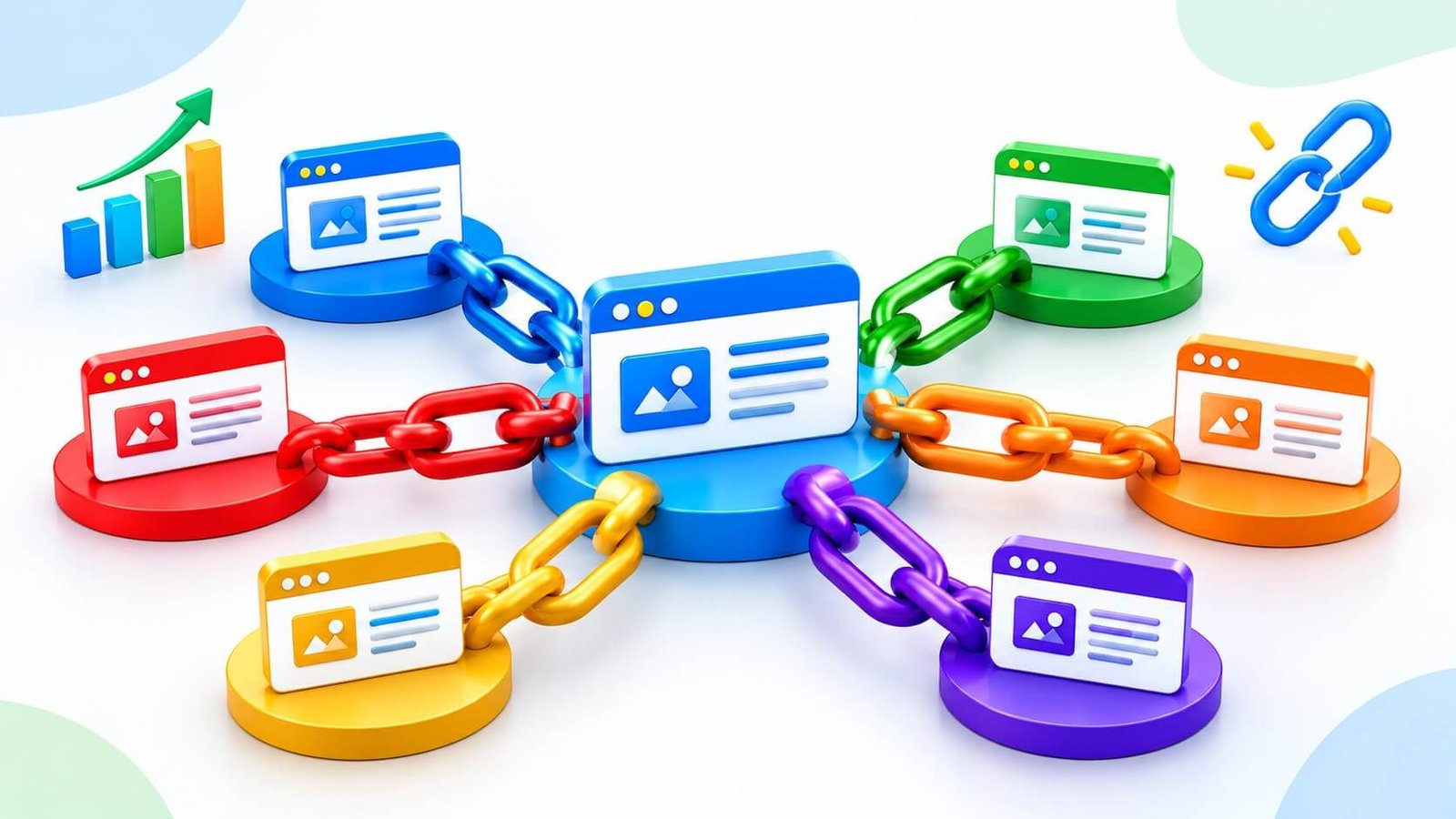
There’s no universal number. The answer depends on your competition. Look at the pages ranking on page one for your target keyword and note how many sites link to them, and how strong those sites are. That gives you a realistic benchmark. In a low-competition local market, a handful of quality links and a strong Google Business Profile can be enough. In a competitive national market, you may need many more over a longer period.
Common Beginner Mistakes
- Buying links or joining “guaranteed” link packages
- Chasing quantity over relevance and credibility
- Using the same exact-match anchor repeatedly
- Neglecting content quality, so there’s nothing worth linking to
- Sending generic outreach to huge lists
- Ignoring local links, which are often the easiest for local businesses to earn
- Expecting quick results, then abandoning the effort too early
- Never checking which links you already have
A Simple 30-Day Starting Plan
Week 1: Check your Search Console Links report, fix technical issues on your key pages, and claim your main business listings.
Week 2: List your existing relationships (suppliers, partners, associations) and request listings or mentions. Search for unlinked brand mentions and ask for links.
Week 3: Create or improve one genuinely useful resource, such as a guide, checklist, or local resource page.
Week 4: Start targeted outreach for that resource, aiming for a small set of relevant sites. Add supporting internal links and set up monthly tracking.
Repeat the cycle, adjusting based on what earns responses.
The Bottom Line
Building backlinks isn’t about tricks. It’s about being worth linking to and then making sure the right people know you exist. Start with relationships and listings you already have, create resources others will want to cite, and reach out thoughtfully. Quality always beats volume, and links that come from real credibility tend to last.
If you’d like help building a safe, effective link strategy for your business, Market RiseUp offers a free SEO audit that includes a review of your current backlink profile, with a clear plan for earning the links that will matter most.

Miftahul Islam is an SEO professional and digital marketing strategist with 10+ years of experience in technical SEO, content strategy, link building, and organic search growth. He is the founder of Market Riseup, where he researches emerging search trends and helps businesses build sustainable digital visibility.
Services
Get In Touch
USA Office:
909 N Madison St, Madisonville, Texas, 77864
Bangladesh Office:
Haider Plaza, Dariapur, Gaibandha, 5700
©2026 Market Riseup All Rights Reserved.