Insights / Digital Marketing
SEO in Digital Marketing: How Search Fits Into Your Marketing Strategy

Most businesses don’t have an SEO problem. They have a coordination problem. SEO runs in one corner, paid ads in another, email and social in a third, and nobody has decided how search fits into the bigger picture. Budget gets split by habit or whoever argues loudest, and the channels end up competing instead of reinforcing each other.
This guide explains where search sits in a modern marketing mix, how SEO and paid search work together, and how to make decisions about both without guessing. It’s written for marketing managers and business owners who already know the basics and need to put the pieces in order.
Where SEO Sits in Digital Marketing

Digital marketing is the umbrella for every way a business reaches customers online: search, social media, email, content, paid ads, partnerships, and more. Within that umbrella, search is unusual because it captures people who are already looking. A social post interrupts someone scrolling. A search result answers someone who just typed a question.
That’s why SEO and internet marketing as a whole are so closely tied. Almost every other channel eventually sends people to a search engine. Someone sees your ad, hears about you from a friend, or reads your newsletter, and then Googles your name or service before they decide. If your search presence is weak, you lose some of the demand your other channels created.
Search Engine Marketing: Getting the Terms Straight
If you’ve ever asked what’s SEM, you’ve probably gotten two different answers, and both were right in context.
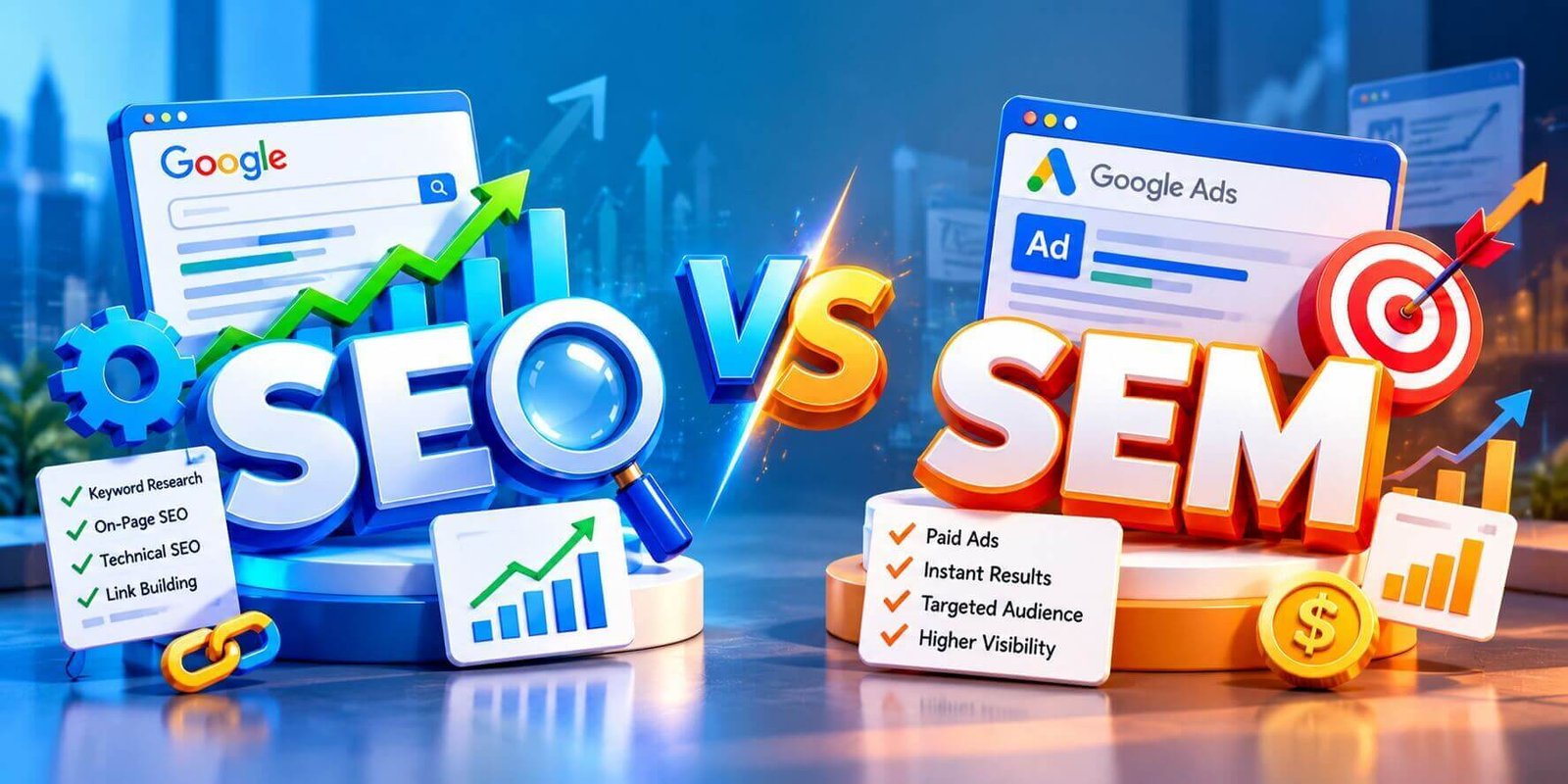
In the broad sense, search engine marketing means every tactic used to gain visibility in search engines, paid and organic. In everyday business use, it usually means the paid side only: ads that appear above or beside the organic results. The relationship between SEM in SEO conversations is a common source of confusion, since technically SEO is part of SEM, yet most people treat them as separate channels.
You’ll see the same pairing in other languages too. Searching for “seo i sem” in a Polish or Croatian market, for example, turns up the same split: organic optimization on one side, paid search on the other. Our full breakdown of SEO vs. SEM covers the definitions in detail, so here we’ll focus on how to use them together.
For the rest of this article, “SEO” means unpaid organic visibility and “SEM” means paid search. Together, SEM and SEO give you two routes to the same results page.
How SEO Helps in Digital Marketing
Understanding how SEO helps in digital marketing comes down to four contributions that other channels can’t easily replicate.
- It captures existing demand. SEO reaches people at the moment of intent. Someone searching "emergency roof repair near me" is far closer to buying than someone who happened to see a banner ad.
- 2. It compounds. A well-built page can bring in visitors for years. Paid ads stop the moment the budget does, but an optimized page keeps working with relatively little upkeep.
- 3. It supports trust. Many searchers trust organic listings more than ads. Strong rankings, good reviews, and helpful content together signal credibility before anyone visits your site.
- It feeds every other channel. The research behind SEO tells you what your audience cares about, which questions they ask, and what language they use. That insight improves ad copy, email subject lines, social content, and sales conversations.
Google SEO and SEM Working Together
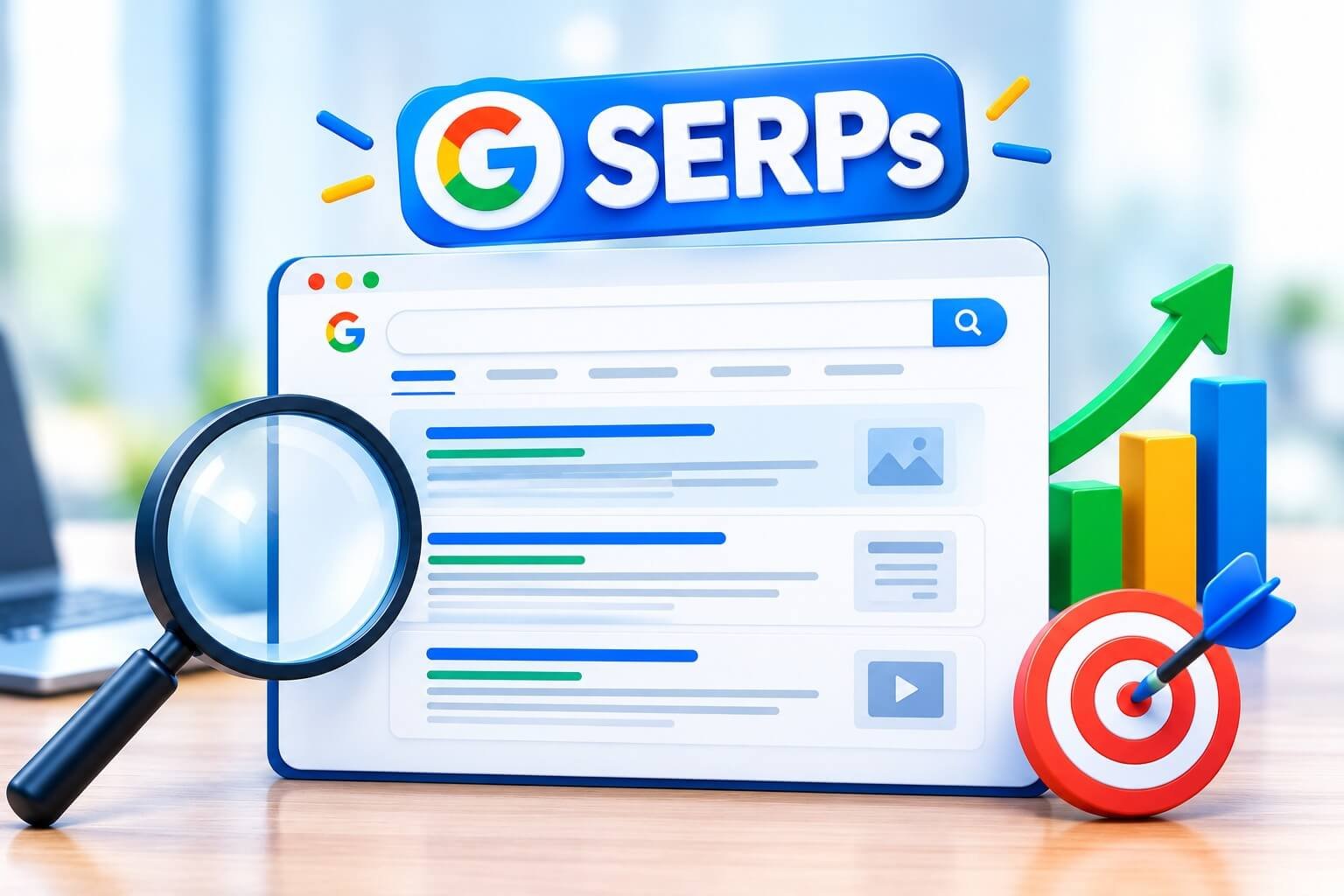
On Google specifically, SEO and SEM show up on the same page, and how they interact is worth understanding. A search results page can contain ads, a local map pack, organic listings, featured snippets, and “People also ask” boxes. A business that appears in several of these spots at once takes up more space and earns more trust than one that appears in only one.
When you run Google SEO and SEM together, each side helps the other:
- Paid data speeds up SEO decisions. Ads show quickly which keywords and messages turn into leads. You can use that to decide which topics deserve long-term content investment.
- SEO lowers your reliance on paid clicks over time. As organic rankings improve for core terms, you can reduce spend on those terms and redirect budget to others.
- Both reinforce brand visibility. Searchers who see you in an ad and again in the organic results often remember you better and click with more confidence.
- Landing page quality benefits both. Pages that load fast, match intent, and convert well improve ad performance and organic results.
One caution: ranking position in organic results isn’t influenced by whether you buy ads. People sometimes assume paid spend boosts organic rankings, or the reverse. It doesn’t. The two systems run separately, and the benefits come from how you coordinate them, not from any direct connection. If you’re curious about “SEM ranking” in the paid sense, ad position is determined by an auction that weighs your bid, ad quality, and expected impact, not by organic rank.
Fitting SEO Into a Full Marketing Strategy
A useful way to think about marketing search engines is as one stage in a larger customer journey rather than a standalone channel. Most customers move through awareness, consideration, and decision, and search touches all three.
| Stage | What the customer is doing | How search helps |
|---|---|---|
| Awareness | Realizing they have a problem | Educational content ranks for broad, informational queries |
| Consideration | Comparing options and providers | Comparison pages, reviews, and expert guides capture research searches |
| Decision | Ready to choose and buy | Service pages, local listings, and paid ads capture high-intent searches |
| After purchase | Looking for support or repeat service | Help content and strong brand search keep customers engaged |
Mapping your keywords and pages to these stages shows you where your search presence is strong and where it has gaps. A business with plenty of decision-stage pages but no educational content, for instance, might convert well but struggle to reach people earlier in their research.
SEO Techniques in Digital Marketing That Pay Off Fastest
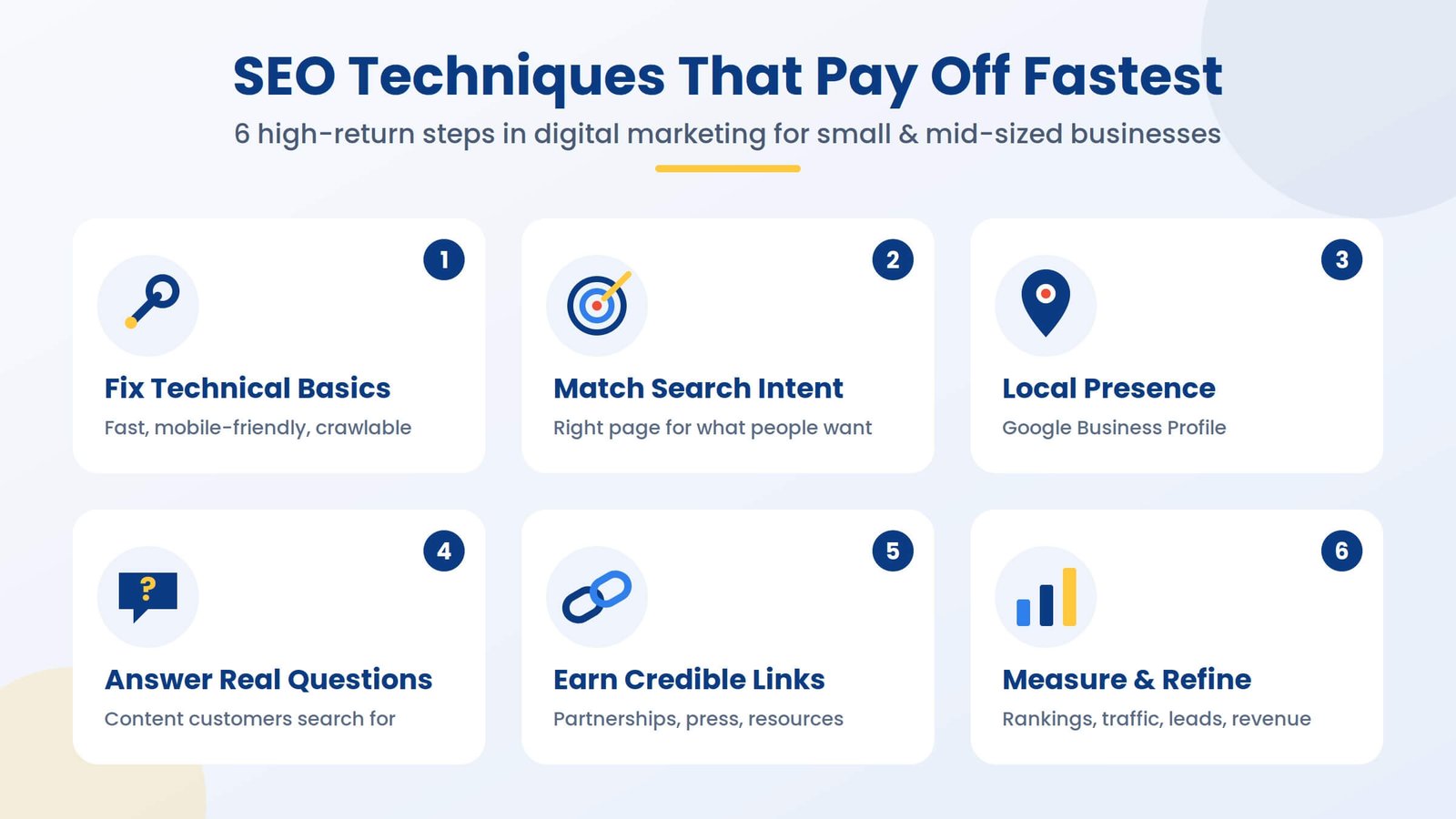
Not every tactic is equal. These SEO techniques in digital marketing tend to deliver the most return, especially for small and mid-sized businesses:
- Fix technical basics first. Slow, mobile-unfriendly, or hard-to-crawl sites undermine everything else, including paid traffic that lands on the same pages.
- Match pages to search intent. Each target keyword should have a page designed for what the searcher actually wants, whether that's a guide, a comparison, or a service page.
- Build a Google Business Profile and local presence. For businesses serving a specific area, this is often the highest-return step. Our beginner's guide to local SEO covers it step by step.
- Create content around real customer questions. This is where content marketing and SEO strategy overlap most directly.
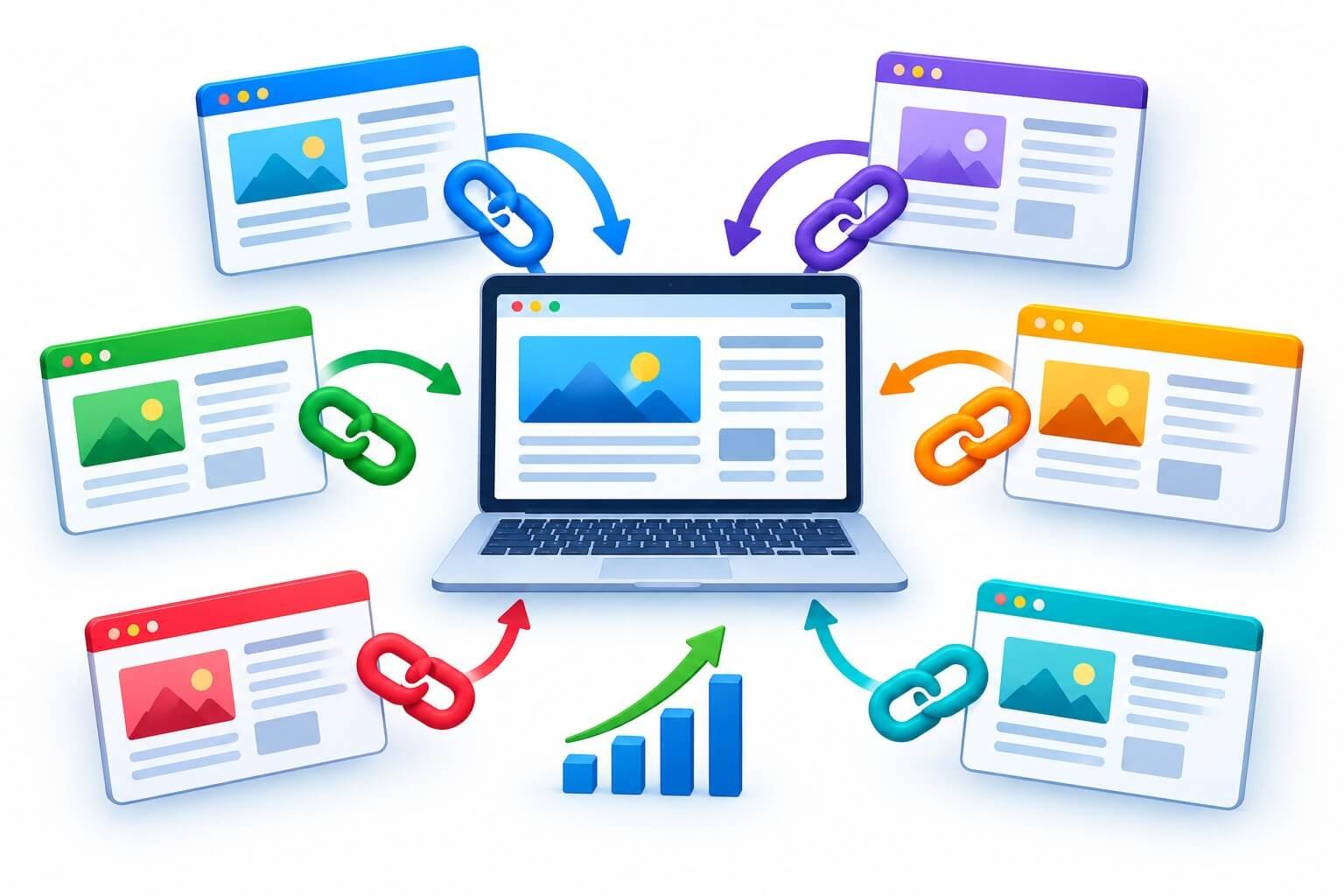
- Earn credible links and mentions. Partnerships, local press, and genuinely useful resources build authority over time.
- Measure and refine. Track rankings, traffic, and, most importantly, leads and revenue from organic search.
Digital Marketing and SEO: Aligning With Content, Social, and Email
Digital marketing and SEO reinforce each other when they’re planned together.
Content marketing supplies the pages that search engines rank. Our guide on combining content marketing and SEO shows how to plan content around keyword research instead of optimizing after the fact.
Social media rarely affects rankings directly, but it spreads your content, builds brand awareness, and can generate the links and branded searches that support SEO indirectly.
Email marketing brings back people who already know you. Pairing it with SEO content means each new article reaches your list immediately and gets early traffic and engagement.
Public relations and partnerships generate the mentions and links that search engines treat as trust signals.
Website design and conversion work decide what happens once search brings people in. High rankings don’t help much if visitors can’t figure out how to contact you.
How to Split Budget Between SEO and Paid Search
There’s no universal ratio, but a few principles make the decision easier.
- New business or urgent goal: Lean toward paid search for immediate visibility while starting SEO in parallel.
- Established business with a longer horizon: Invest more in SEO, using paid search for high-value terms, promotions, and testing.
- Highly competitive market: Expect organic rankings to take longer, and consider paid ads to fill the gap on the most valuable terms.
- Tight budget: Prioritize the work that compounds. A strong local presence and a handful of well-targeted pages usually outperform scattered spending.
Review the split every quarter. As organic rankings improve for key terms, you can shift spend. As new products or seasons arise, paid search can cover them while organic catches up.
Measuring Results Across Channels
The biggest source of internal conflict in marketing is reporting that treats each channel in isolation. A better approach uses a shared set of metrics:
- Leads and revenue by channel, with consistent conversion tracking
- Cost per lead for paid search, compared against the ongoing investment in SEO
- Branded vs. non-branded search traffic, to separate people who already know you from people discovering you
- Assisted conversions, which show when search played a role earlier in a customer's journey even if another channel got the final click
- Search visibility for priority keywords across both paid and organic results
Give SEO realistic timelines in these reports. Paid campaigns show results in days, while SEO typically takes several months to build, so comparing the two over the same short window almost always makes SEO look worse than it is.
Common Mistakes When Combining SEO With Other Channels
- Running channels in silos. If the paid team and the SEO team never share keyword data, you waste both budgets.
- Bidding on terms you already rank first for without testing. Sometimes this adds clicks, and sometimes it just pays for traffic you'd have gotten anyway. Test before committing.
- Judging SEO on a one-month timeline. It rarely works that way.
- Ignoring local and branded search. These are often the easiest wins and the first place customers look.
- Copying a competitor's mix without context. Their audience, budget, and sales cycle may look nothing like yours.
A Simple Starting Plan
If you’re building or rebalancing your strategy, here’s a practical order of work:
- Audit your current search presence: rankings, traffic, local listings, and technical health.
- Identify your highest-value keywords and map them to the customer journey.
- Fix the technical and on-page basics so every channel sends traffic to pages that work.
- Decide your paid search role: immediate leads, testing, or protecting key terms.
- Build content and local presence around priority topics.
- Set shared metrics and review them together every month, with a deeper strategy review every quarter.
Bringing It Together
Search isn’t a side project, and it isn’t a replacement for everything else. It’s the point where many of your marketing efforts meet customers who are ready to act. SEO and paid search each have strengths, and the businesses that do best treat them as parts of one plan, sharing data, budget, and goals.
If you’d like a clear view of where your site stands and how search could fit into your broader strategy, Market RiseUp offers a free consultation and SEO audit, with a prioritized plan based on your market, budget, and goals.

Miftahul Islam is an SEO professional and digital marketing strategist with 10+ years of experience in technical SEO, content strategy, link building, and organic search growth. He is the founder of Market Riseup, where he researches emerging search trends and helps businesses build sustainable digital visibility.

Services
Get In Touch
USA Office:
909 N Madison St, Madisonville, Texas, 77864
Bangladesh Office:
Haider Plaza, Dariapur, Gaibandha, 5700
©2026 Market Riseup All Rights Reserved.